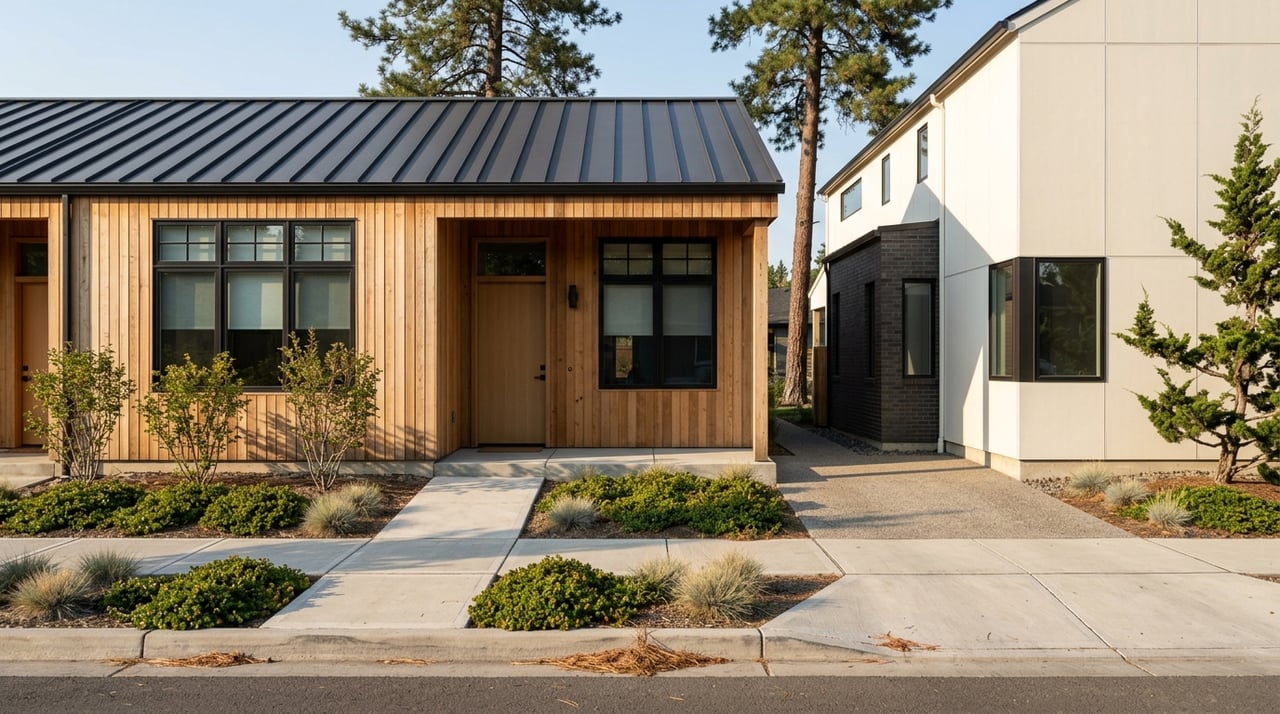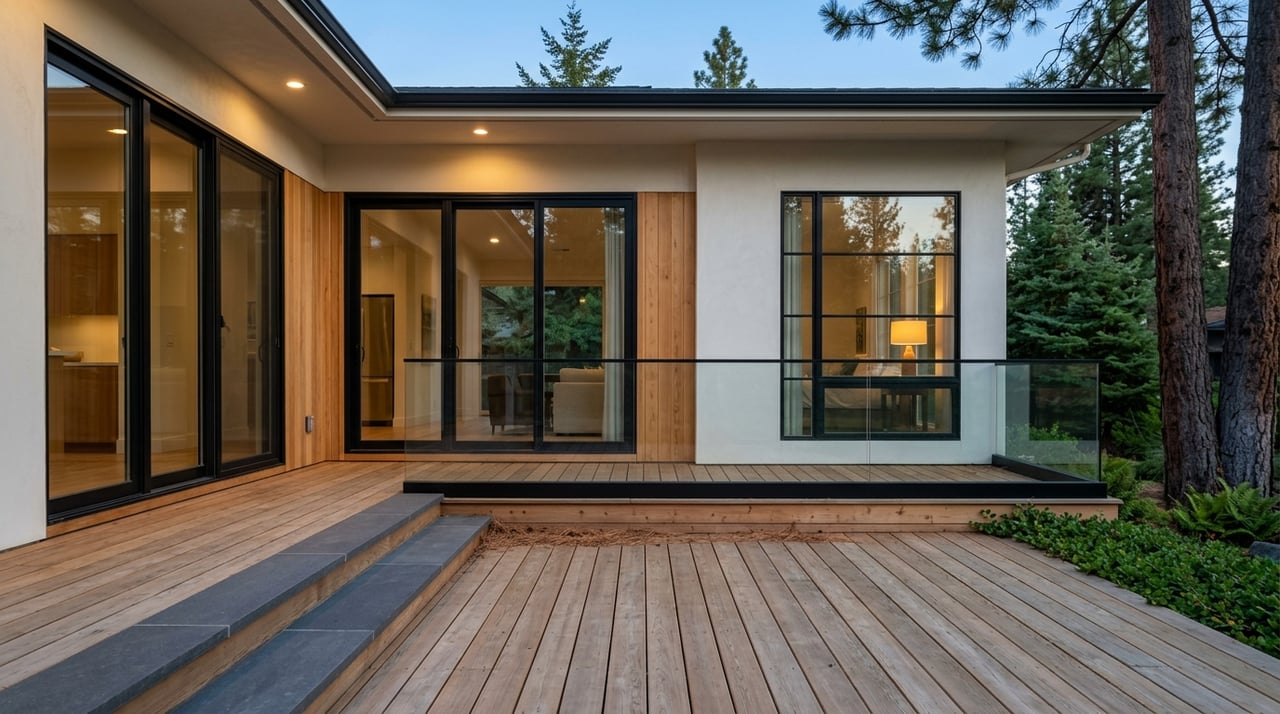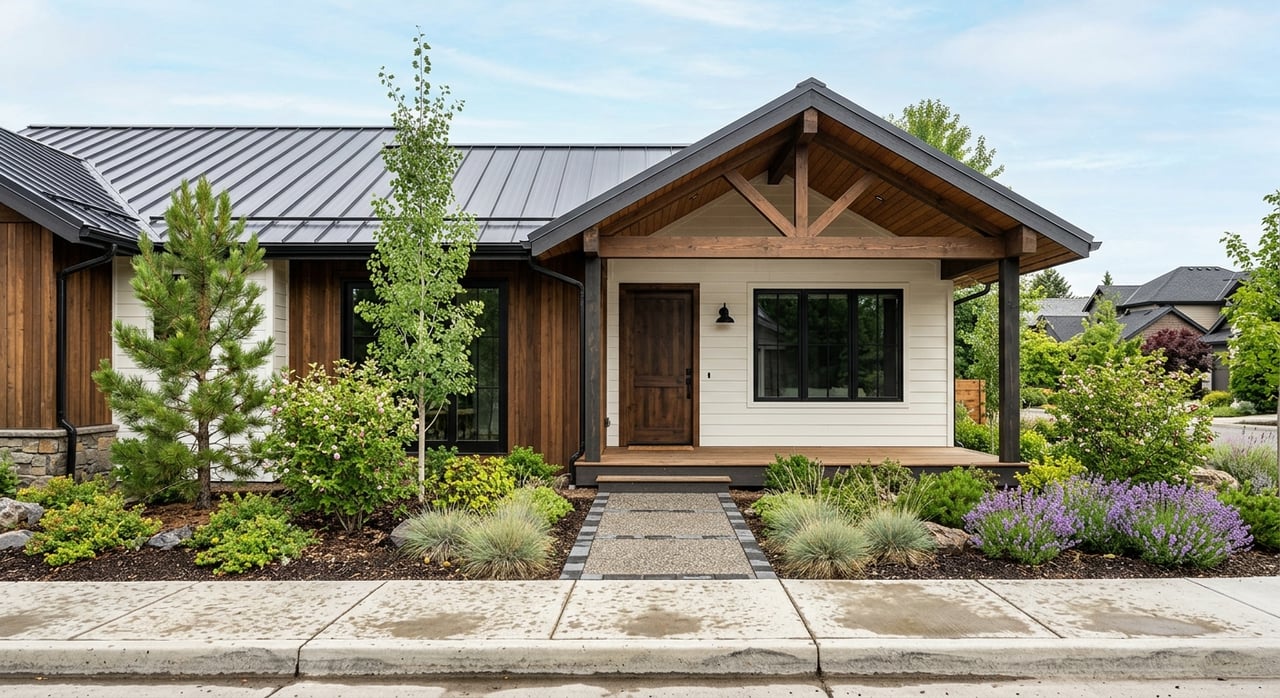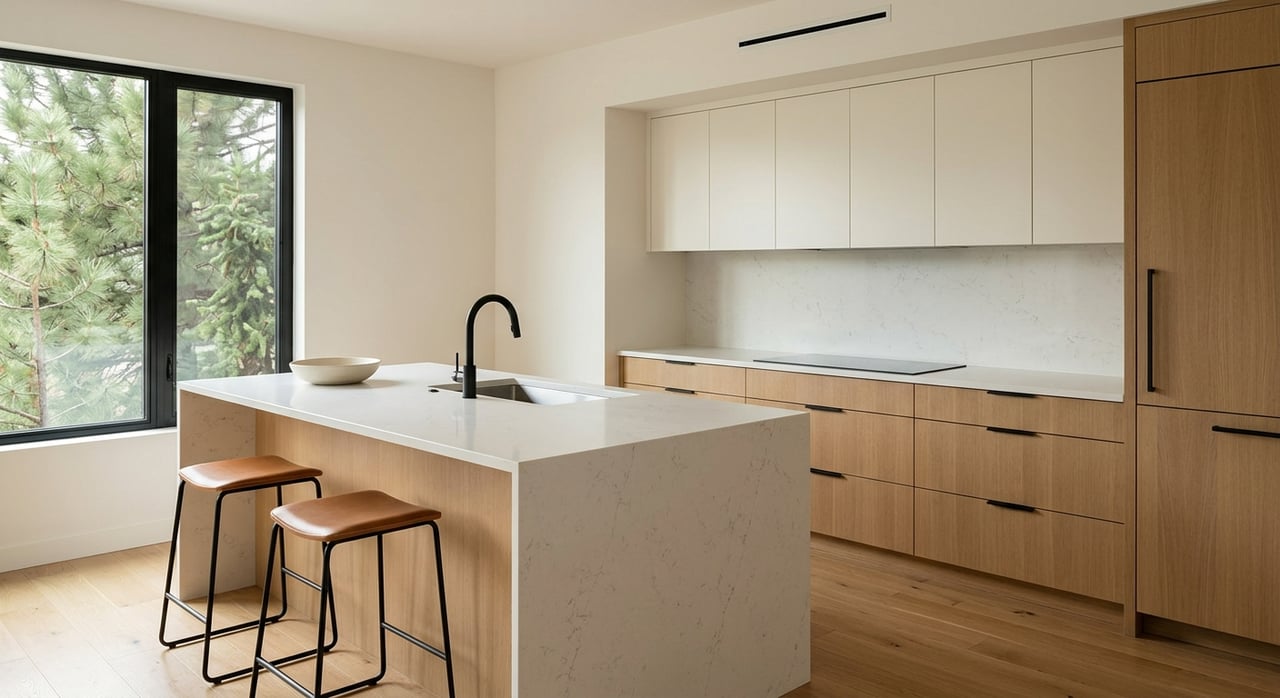
If you are looking at Westgate Tutuilla as an entry point into Eastern Oregon real estate, the basics matter more than hype. This part of the 97801 market can look relatively affordable compared with many Oregon markets, but smart investing here still depends on reading local demand, older housing stock, tax details, and property-specific constraints carefully. In this guide, you will get a practical, grounded overview of what to watch before you buy. Let’s dive in.
Why Westgate Tutuilla Gets Investor Attention
The broader 97801 market centers on Pendleton, the county seat of Umatilla County. As of July 2025, Pendleton’s population was estimated at 16,989, and Umatilla County’s population was 81,119. That gives you a small regional market with an established local economy rather than a purely speculative growth story.
From a pricing standpoint, public market snapshots suggest the area is relatively affordable by Oregon standards. Zillow reported a typical home value of $298,500 in 97801 and average rent of $1,266 as of April 30, 2026, while Realtor.com showed a Pendleton median home price of $309,000 and median rental price of $1,050. Those figures imply a rough gross rent yield in the 4.1% to 5.1% range before taxes, vacancy, repairs, and management.
That yield range is not unusually high on a gross basis, so the opportunity here is less about chasing outsized rent spreads and more about buying carefully. If you focus on clean underwriting, durable property types, and realistic operating costs, this market can make more sense than the headline numbers first suggest.
Demand in the 97801 Market
A useful sign for long-term demand is Oregon’s 2026 Housing Needs Analysis. It gave the Pendleton urban growth boundary a one-year production target of 120 units and a 20-year need of 1,949 units. That does not guarantee appreciation or rent growth, but it does show that public planners still see ongoing housing demand in the area.
The renter base here appears to be supported by everyday employment sectors rather than a high-income luxury renter pool. Umatilla County business activity includes health care and social assistance, transportation and warehousing, retail, and accommodation and food services. In practical terms, that tends to support demand for functional, moderately priced housing.
County planning has also identified housing availability as a workforce issue. In a 2017 Umatilla County housing analysis, housing ranked as the third most common reason job candidates declined an offer. While that study is older, it still helps explain why local housing supply remains an important part of the area’s economic picture.
Property Types You Are Likely to See
One of the biggest basics in this market is age of housing stock. According to Oregon’s state energy profile for Umatilla County, 66% of homes were built before 1990. That means you should expect many properties to need closer review on major systems and deferred maintenance.
Older homes can still be solid investments, but they often require more disciplined due diligence. Roof condition, HVAC performance, plumbing, electrical systems, and insulation deserve close attention. Utility costs also matter because 58% of county households primarily heat with electricity and 31% with natural gas.
Transportation can matter more here than some buyers expect. Umatilla County households average 21,634 vehicle miles traveled per year, which suggests driving is a meaningful part of day-to-day living costs. If you are evaluating a rental, total affordability for a tenant is not just rent. It is also utilities and transportation.
Manufactured Homes Need Extra Review
Manufactured housing is a meaningful part of the local property mix, and it has its own tax treatment. Umatilla County says most manufactured structures are assessed as personal property when they are in a manufactured home park or on rented land. They may be treated as real property when they sit on land the owner owns.
That distinction can affect how you underwrite the asset and what records you review. The county also notes that manufactured homes are assessed each year as of January 1 and has separate forms and processes for ownership changes, demolition, and moving. If you are considering this property type, it is worth confirming exactly how the home is classified before you move forward.
Buildable Land Is Not the Same as Available Land
If you are thinking beyond existing homes and looking at land or redevelopment potential, this is a key point. Umatilla County planning materials make clear that available land does not automatically mean buildable land. Sewer, water, roadways, floodplain limits, easements, and similar issues can all change what is realistically possible.
A county residential lands analysis identified 522 undeveloped residential parcels in Pendleton in 2017, but that number should be treated as historical context, not current inventory. More importantly, parcel-level constraints matter more than broad supply counts. A site may look promising on paper and still be difficult or expensive to develop.
For that reason, a land purchase in this area usually calls for more than a quick pricing comparison. You want to verify zoning, access, flood considerations, and infrastructure early, before you rely on a future-use assumption.
How to Underwrite a Deal More Carefully
In Westgate Tutuilla and the wider 97801 market, small differences in expenses can change the numbers quickly. Umatilla County’s tax FAQ notes that property is valued each year as of January 1, tax statements are mailed no later than October 25, and payment is due November 15. The county also explains that a tax bill is based on assessed value multiplied by the parcel’s code-area tax rate, plus special assessments.
That means two similar homes may carry different tax bills if they sit in different levy code areas. General government taxes can include city, county, and special district charges such as water, sewer, and fire. This is one reason local record review matters so much when you are comparing properties.
A practical public-data workflow is to combine county assessor records, sales files, zoning maps, flood-hazard information, Census QuickFacts, and current market snapshots before making an offer. In a smaller market, disciplined research can give you a clearer edge than broad statewide averages ever will.
Rent Rules Matter to Long-Term Planning
If your strategy involves holding a property as a long-term rental, Oregon’s rent stabilization rules should be part of your planning. For 2026, the state says the maximum allowable annual rent increase is 9.5% for tenancies subject to ORS 90.323. For qualifying manufactured dwelling or marina facilities with more than 30 spaces, the maximum allowable increase is 6%.
That does not tell you what market rent should be, but it does matter for income-growth assumptions on occupied properties. If you buy a rental with below-market rent, you cannot assume you will reset income instantly. Stable investing usually comes from realistic timelines, not best-case projections.
If you plan to use a property manager, compliance matters too. The Oregon Real Estate Agency says security deposits must be held in a separate clients' trust or security-deposit account, and when rent and deposit are paid together, the deposit portion must be transferred into that account within three banking days. That is not a market driver, but it is an important operational detail for out-of-area owners.
What Looks Most Durable Here
Based on the local rent, income, and housing-supply picture, the most durable opportunities may be the least flashy. Modestly priced single-family homes, workforce-oriented rentals, and clean, well-managed smaller properties appear to fit the local market better than luxury-only or highly speculative strategies.
That approach lines up with the area’s economic base and housing needs. In a market like this, steady performance often depends on buying a property that solves a practical housing need, not one that depends on a narrow tenant pool or aggressive future assumptions.
For many buyers, the winning move is not to find the cheapest home. It is to find the property with manageable condition, understandable expenses, and a realistic rent story. That is often where long-term risk is lower.
A Smart Investor Checklist
Before you buy in Westgate Tutuilla or the wider 97801 market, keep this checklist in front of you:
- Review current county assessor records for the parcel
- Confirm levy code area and actual property tax structure
- Check zoning and any development constraints
- Review flood-hazard and access information
- Inspect major systems closely, especially in older homes
- Verify utility setup and likely heating costs
- Confirm whether a manufactured home is taxed as personal or real property
- Underwrite rent growth conservatively under Oregon rules
- Compare local rent snapshots directionally, not as exact comps
- Stress-test for repairs, vacancy, and management costs
A careful process is especially important in a market where broad pricing may look accessible at first glance. The details of the individual property are what usually make or break the investment.
If you want a strategy-first conversation about how to evaluate Oregon real estate opportunities with clarity and discipline, Silvia Giffin-Knight is here to help with a confidential consultation.
FAQs
What makes Westgate Tutuilla appealing for investment?
- The broader 97801 market appears relatively affordable by Oregon standards, with public home value and rent snapshots that suggest moderate entry pricing and steady housing demand.
What types of rentals may fit the Pendleton 97801 market best?
- Local data points to durable demand for workforce-oriented housing, including modestly priced single-family homes and clean, well-managed smaller rentals.
What should you check when buying an older home in Umatilla County?
- Because much of the housing stock was built before 1990, you should review roof, HVAC, plumbing, electrical systems, insulation, and likely utility costs carefully.
What should you know about manufactured homes in Umatilla County?
- A manufactured home may be taxed as personal property if it sits in a park or on rented land, or as real property if it sits on land the owner owns.
Why can property taxes differ between similar homes in Pendleton?
- Umatilla County says tax bills depend on assessed value, the parcel’s code-area tax rate, and any special assessments, so similar homes can have different totals.
What is important to know about rent increases in Oregon for 2026?
- For covered tenancies under ORS 90.323, Oregon set the 2026 maximum allowable annual rent increase at 9.5%, with a 6% cap for qualifying manufactured dwelling or marina facilities with more than 30 spaces.