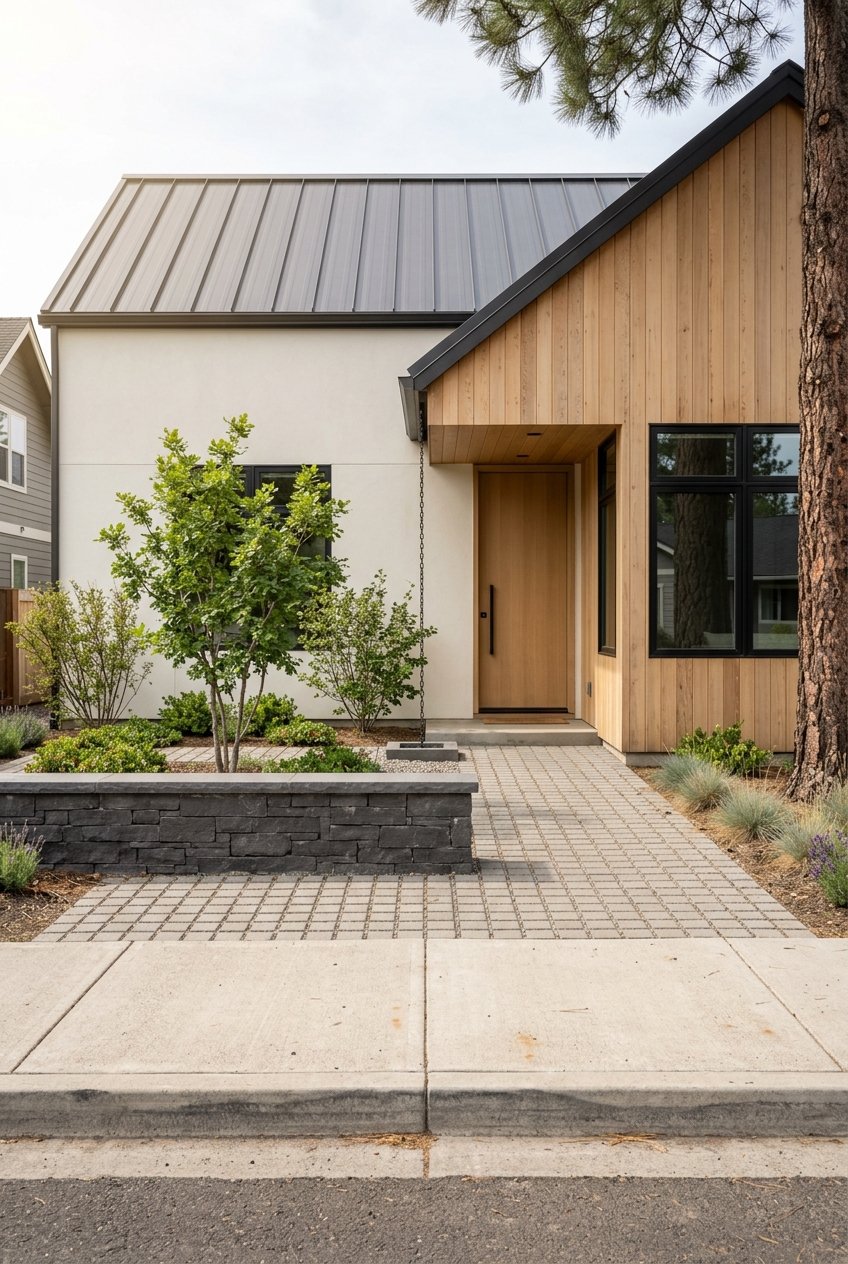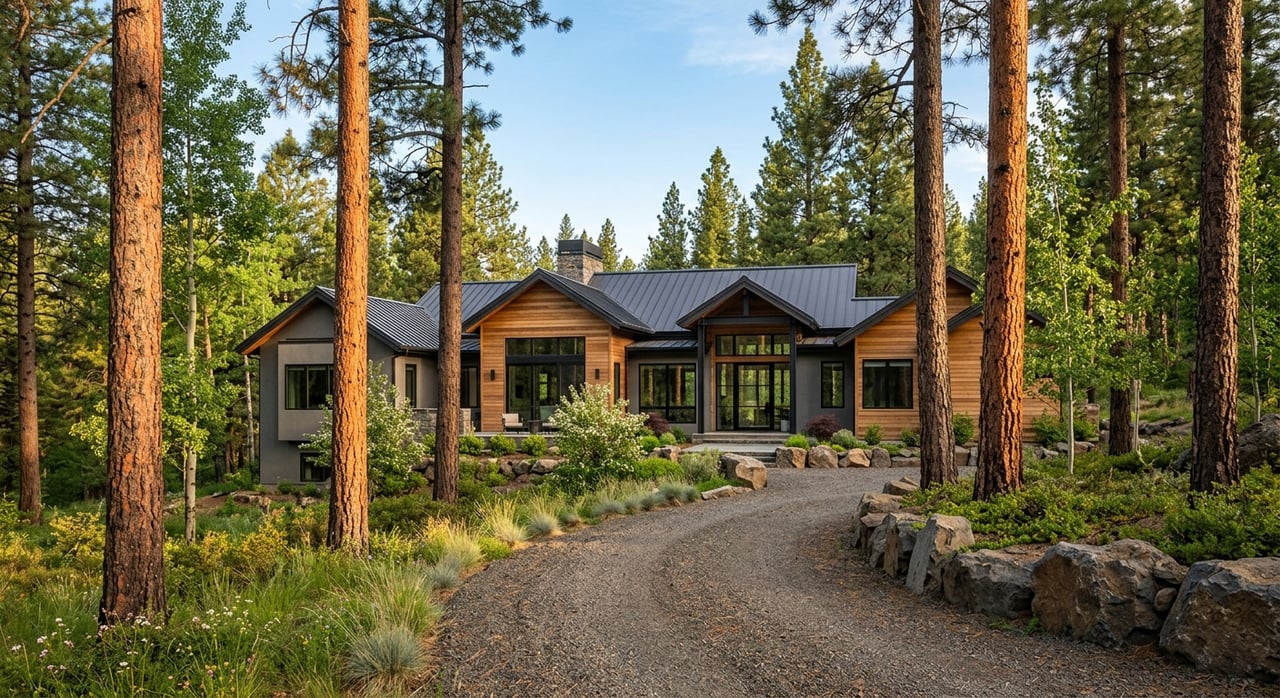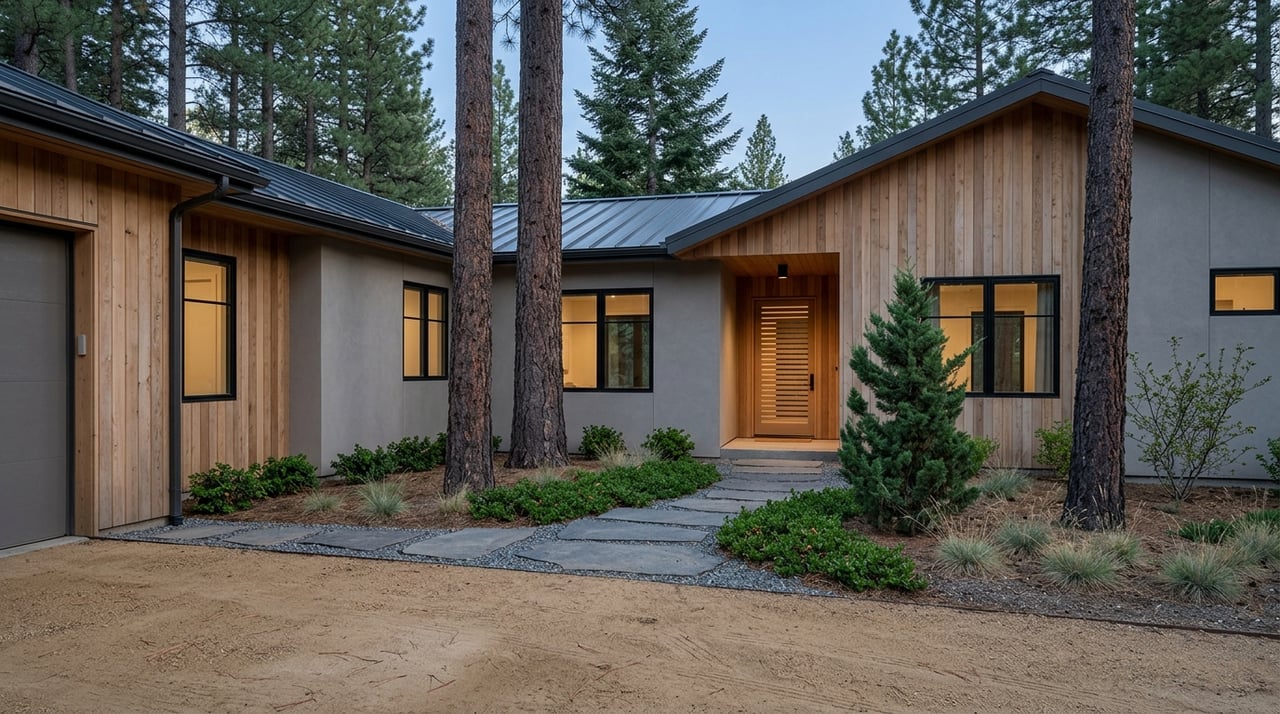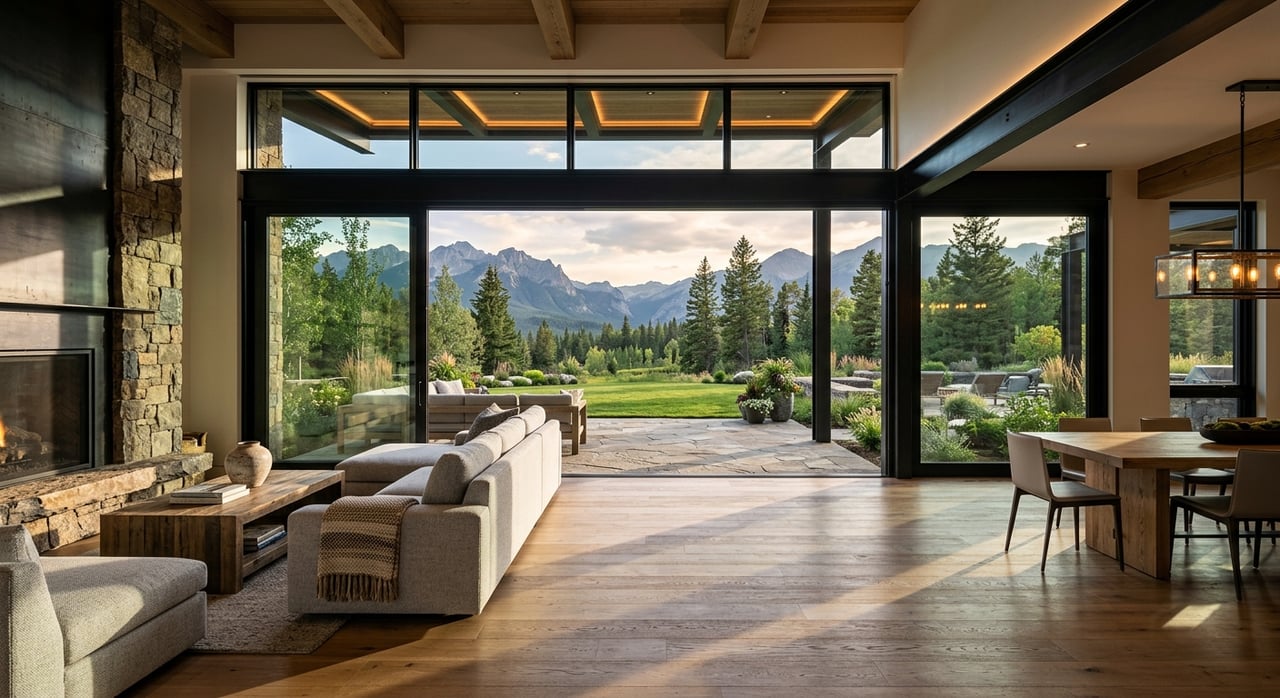
If you are comparing Awbrey Park in Eugene with Bend’s westside, you are really comparing two very different ways of living. One leans toward an established neighborhood feel centered on a local park, mature streets, and everyday convenience. The other is more tied to trails, varied westside districts, and a recreation-focused rhythm. This guide will help you sort through the lifestyle and housing differences so you can decide which setting fits you best. Let’s dive in.
What “Awbrey Park” Means in Eugene
Awbrey Park in Eugene is a 6-acre city park at River Road and Spring Creek Drive in the Santa Clara Community Organization area. Because it is a park rather than a standalone neighborhood, the Eugene side of this comparison makes the most sense when viewed through the surrounding River Road and Santa Clara area.
That context matters if you are home shopping. Instead of comparing one named Eugene neighborhood to one named Bend neighborhood, you are comparing the River Road-Santa Clara area around Awbrey Park with Bend’s broader westside districts, which include places like Awbrey Butte, River West, Century West, Southwest Bend, and Summit West.
Eugene Lifestyle Near Awbrey Park
The River Road-Santa Clara area has an established suburban pattern. Eugene’s neighborhood planning materials describe a patchwork of city and county parcels that gradually shifted from agricultural land to subdivisions and homes, especially after World War II.
By 1975, the area had developed more of the curved streets and cul-de-sacs many buyers associate with mature suburban neighborhoods. If you are drawn to a setting that feels settled and familiar, that history helps explain the character you may notice here.
Awbrey Park itself supports that neighborhood-centered feel. The city lists an ADA play area, picnic tables, restrooms, informal play field space, and a viewpoint, while Spring Creek moves through a wooded corner with native plants and wildlife.
In daily life, that can feel more local and close-to-home. Your outdoor time may look like a walk to the park, time near the creek, or access to nearby open space rather than planning a longer trail outing.
Bend Westside Lifestyle
Bend’s westside is less uniform. The city’s planning framework shows that the westside includes several distinct districts with different housing forms, street patterns, and neighborhood layouts.
Some westside areas reflect a more traditional neighborhood pattern with grid streets, a mix of housing types, and commercial nodes within walking distance. Other parts follow a mixed-suburban form, while some large-lot areas remain focused on detached homes with curving streets and private drives.
That variety gives you more lifestyle range, but it also means you need to be specific when you say you want to live on Bend’s westside. One pocket may feel connected and walkable, while another may feel quieter, more elevated, or more private.
The outdoor rhythm is different too. Bend Park and Recreation District manages more than 3,600 acres and over 90 miles of trail, and westside living often feels closely tied to that larger recreation system.
For example, Shevlin Park offers nearly 1,000 acres with loop, creek, and mountain-bike trails that connect toward the Deschutes National Forest trail system. The Deschutes River Trail’s Awbrey Reach runs 3.9 miles along the canyon wall and offers river and Cascade views, which adds to the westside’s strong trail-and-terrain identity.
Outdoor Access: Park-Centered vs Trail-Centered
One of the clearest differences between these two areas is how outdoor access shows up in everyday life. Near Awbrey Park in Eugene, the experience is anchored by a neighborhood park, creek features, and broader access to the Willamette River and more than 227 acres of parks, recreation, and open space in the River Road-Santa Clara area.
That can appeal to you if you want outdoor space woven into a residential setting without it necessarily becoming the main organizing feature of your day. It is a park-and-river lifestyle with a neighborhood scale.
Bend’s westside often feels more recreation-forward. Trails, canyon views, and broader connections to natural terrain shape how many people use the area day to day.
If you picture yourself heading out for longer trail walks, mountain biking, or spending regular time in larger open-space systems, Bend’s westside may feel more aligned. If you prefer a quieter neighborhood park anchor with nearby daily conveniences, the Eugene side may feel more natural.
Housing Style in Eugene’s River Road-Santa Clara Area
On the Eugene side, the housing story is tied to an older suburban development pattern. The area’s planning history points to established residential streets, subdivisions built over time, and a setting that blends neighborhood homes with access to commercial corridors along River Road.
That does not make the area static. Eugene’s neighborhood plan also looks ahead to mixed-use neighborhood centers, lower-density residential transitions, and access to daily needs within a short distance of home.
For you as a buyer, that suggests a market where established homes and mature streets are part of the appeal, while future planning still supports some change over time. The character is more rooted in an existing suburban fabric than in a newer, master-planned mountain-town feel.
Housing Style on Bend’s Westside
Bend’s westside offers a broader spread of housing forms. The city identifies traditional neighborhoods with mixed housing types, mixed-suburban areas with moderate densities, and large-lot areas that are mostly detached homes.
That means your options can range from single-family homes on larger lots to attached housing and newer infill forms, depending on the district. Bend also actively encourages a wide range of housing types in existing neighborhoods, including ADUs, duplexes, triplexes, quadplexes, cottage clusters, townhomes, and small apartment-style developments.
If you are open to more housing variety, Bend’s westside may offer more flexibility. If your preference is primarily for an established detached-home environment, you may want to narrow your search carefully by district.
Awbrey Butte Adds Another Layer
If your Bend search includes Awbrey Butte specifically, it is worth understanding that it is not the same thing as Eugene’s Awbrey Park. Awbrey Butte follows its own hillside planning logic.
According to Bend’s comprehensive plan, the Awbrey Butte Master Plan addresses steep slopes and uses tools like larger lots and narrower right-of-way and pavement widths to reduce disruption to the landscape. In practical terms, that can create a different feel from flatter, more connected westside areas.
If privacy, topography, and a hillside setting matter to you, Awbrey Butte may stand out. If you want more of a neighborhood grid or a mix of nearby housing forms, another westside district may be a better fit.
Daily Convenience and Neighborhood Pattern
The Eugene side around Awbrey Park is shaped by the River Road-Santa Clara plan’s emphasis on access to daily needs and local business growth. That supports a lifestyle where neighborhood living and everyday convenience work together.
Because the area developed over many decades, it tends to feel more like a lived-in suburban environment than a single, unified planning concept. For some buyers, that feels grounded and comfortable.
Bend’s westside can feel more intentionally varied. Some areas are planned around walkable nodes and mixed housing, while others preserve lower-density or large-lot patterns.
This is where your personal preferences matter. You may prefer the mature and familiar street pattern of Eugene’s River Road-Santa Clara area, or you may like Bend’s mix of older neighborhoods, evolving infill, and district-by-district differences.
Key Questions to Ask Yourself
Before you choose between these two areas, it helps to get specific about how you want to live. A clear decision usually starts with the right questions.
Consider these:
- Do you want your outdoor time to revolve around a neighborhood park and river access, or around trail systems, canyon views, and larger recreation assets?
- Are you looking mostly for detached homes, or are you open to townhomes, duplexes, cottage clusters, and other middle-housing options?
- Do you prefer a mature suburban street pattern, or are you comfortable with a place that shows more active infill and redevelopment?
- How much future neighborhood change feels comfortable to you, given that both areas are guided by long-range planning?
- Do you want a setting that feels anchored by a local park, or one that feels closely tied to Bend’s broader westside recreation network?
Which Area May Fit You Best
If you are drawn to an established suburban setting with mature streets, a neighborhood park anchor, creek features, and access to daily needs, the area around Awbrey Park in Eugene may be the better match. It offers a more local, residential rhythm shaped by its long-standing neighborhood fabric.
If you are looking for a westside Bend lifestyle with more trail access, more variation in housing form, and a stronger connection to recreation-oriented planning, Bend may fit better. It can offer more range, but it also requires a more careful neighborhood-by-neighborhood search.
Neither choice is universally better. The right fit depends on whether you want your home base to feel more park-centered and established, or more recreation-forward and varied.
If you are weighing Bend against another Oregon market, local insight can make that decision much clearer. Silvia Giffin-Knight offers a calm, strategy-first approach to helping you evaluate Bend neighborhoods, housing options, and the lifestyle each area supports.
FAQs
What is Awbrey Park in Eugene?
- Awbrey Park is a 6-acre city park in Eugene at River Road and Spring Creek Drive, so this comparison uses the surrounding River Road-Santa Clara area as the Eugene housing and lifestyle context.
How is Eugene’s Awbrey Park area different from Bend’s westside?
- The Eugene side is best understood as an established suburban area anchored by a neighborhood park, while Bend’s westside includes multiple districts with a stronger trail- and recreation-oriented identity.
What housing options are common on Bend’s westside?
- Bend’s westside includes a mix of detached homes, large-lot areas, and a growing range of infill housing types such as ADUs, duplexes, triplexes, quadplexes, cottage clusters, townhomes, and small apartment-style developments.
What is the lifestyle near Awbrey Park in Eugene like?
- The lifestyle near Awbrey Park is tied to neighborhood-scale outdoor space, mature residential streets, Spring Creek, access to the Willamette River, and more than 227 acres of parks, recreation, and open space in the broader River Road-Santa Clara area.
What makes Awbrey Butte in Bend different from Eugene’s Awbrey Park area?
- Awbrey Butte is a specific hillside area within Bend’s westside, with planning shaped by steep slopes and larger lots, while Eugene’s Awbrey Park area is centered on a neighborhood park within the broader River Road-Santa Clara suburban setting.
Is Bend’s westside one neighborhood?
- No, Bend’s westside includes multiple distinct districts, so housing style, street pattern, and day-to-day feel can vary significantly depending on the specific area you choose.