If you are looking for a Bend neighborhood that feels newer, more intentional, and design-forward, Discovery West is worth a closer look. For many buyers, the challenge is figuring out whether a master-planned community will actually fit their day-to-day lifestyle, not just look good on paper. This guide will help you understand how Discovery West is planned, what the homes and streets feel like, and what to expect as the neighborhood continues to grow. Let’s dive in.
What Discovery West Is
Discovery West is a 245-acre neighborhood within Bend city limits. It sits just west of NorthWest Crossing and north of Summit High School, giving it a west-side location that appeals to buyers who want access to both daily conveniences and outdoor space.
The neighborhood is planned for roughly 780 residences at build-out. Instead of repeating one housing type over and over, the plan includes a mix of detached homes, attached homes, and multifamily options, which gives the area a more layered and varied feel.
A key part of the planning approach is the transect concept. In simple terms, housing becomes less dense as you move west toward county and forest-service land near the city limits, which helps shape both the look of the neighborhood and its transition into the surrounding landscape.
Why Discovery West Feels Different
Discovery West stands out because it was designed to be more than a standard subdivision. Official materials point to a combination of curated architecture, varied housing types, Earth Advantage building standards, Firewise measures, and a mixed-use core that gives the neighborhood a stronger identity.
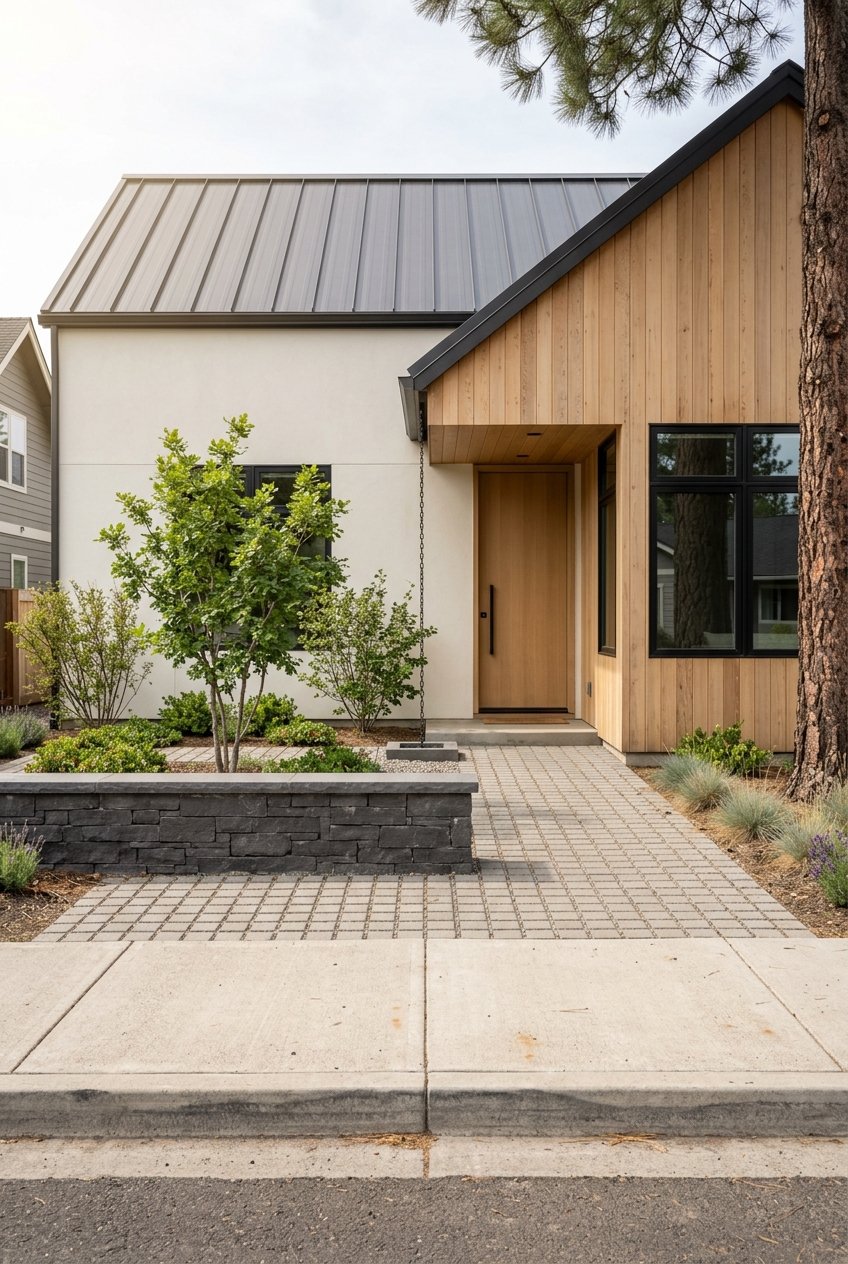
That design intent shows up at street level. The neighborhood emphasizes front porches, pedestrian greenways, connected routes for walking and biking, and details that make the public realm feel more active and inviting.
For buyers, that often translates into a neighborhood that feels considered from the beginning. You are not just evaluating a home. You are also evaluating how the streetscape, open space, and shared amenities may support your lifestyle over time.
Home Styles And Housing Options
One of the biggest draws in Discovery West is variety. Official neighborhood materials describe single-family homes, cottages, townhomes, mews, live-work townhomes, and apartments, rather than a single product repeated throughout the community.
That variety matters if you want choices in scale and use. Current product information shows cottages around 1,000 to 1,200 square feet and townhomes around 2,300 to 3,100 square feet, while some homesites along the western edge can be as large as 1 acre.
Architecture Has Clear Standards
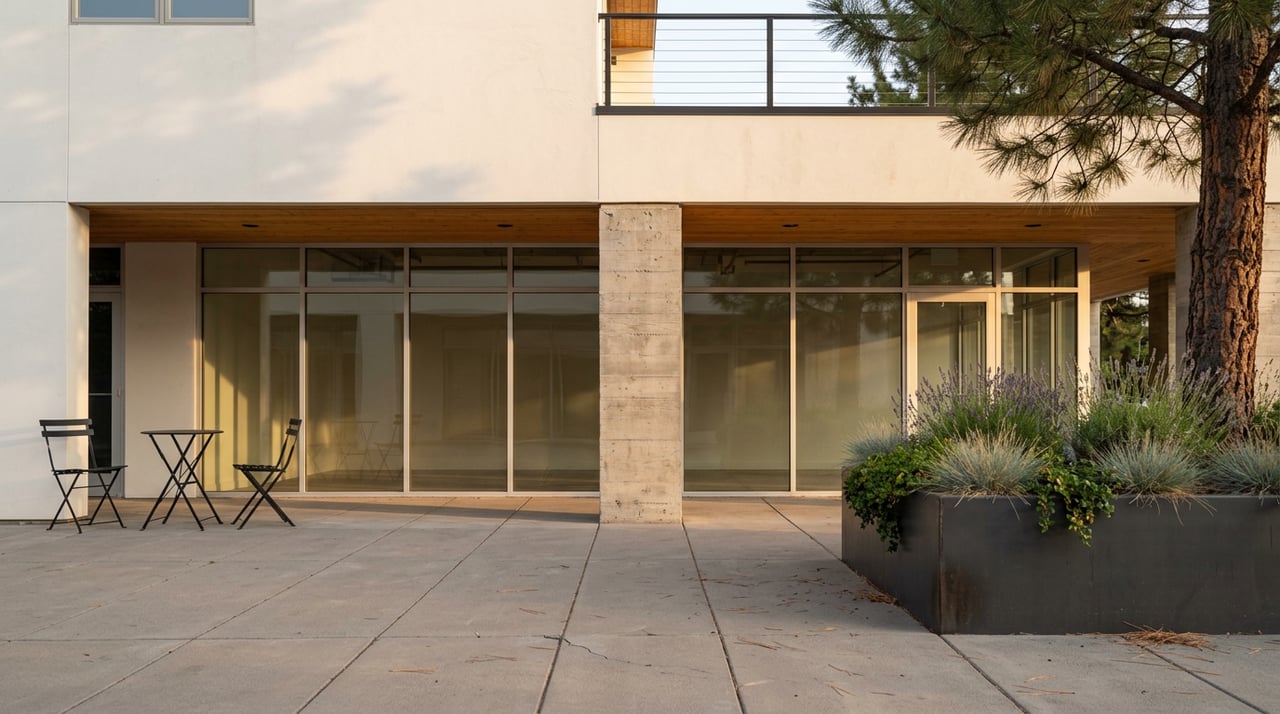
Discovery West is intentionally design-controlled. The neighborhood uses residential design guidelines and addenda, and an Architectural Review Committee reviews and approves homes and buildings.
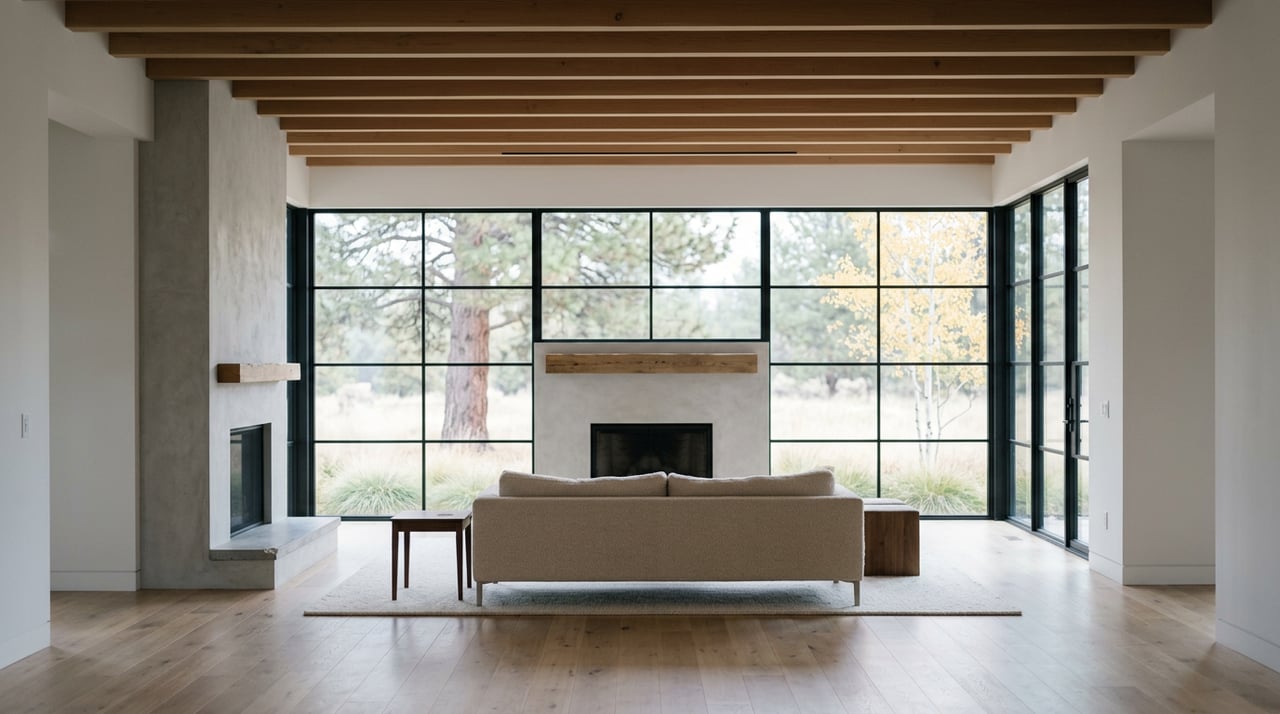
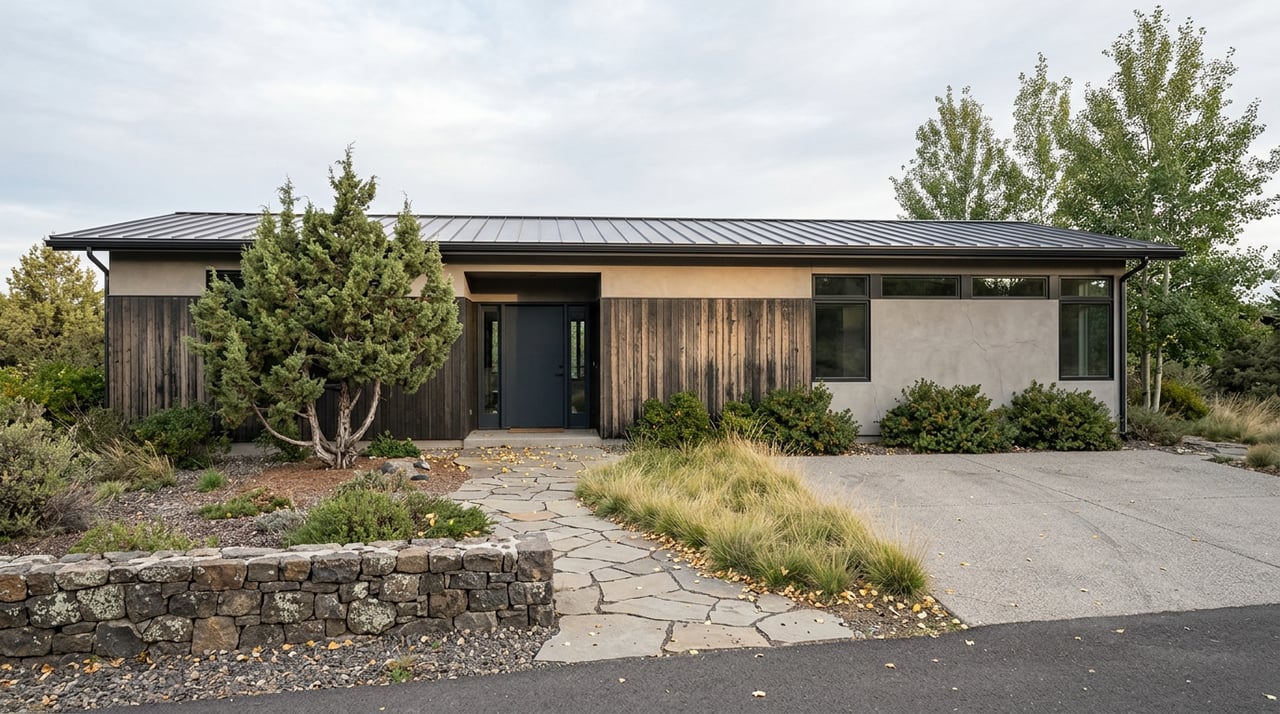
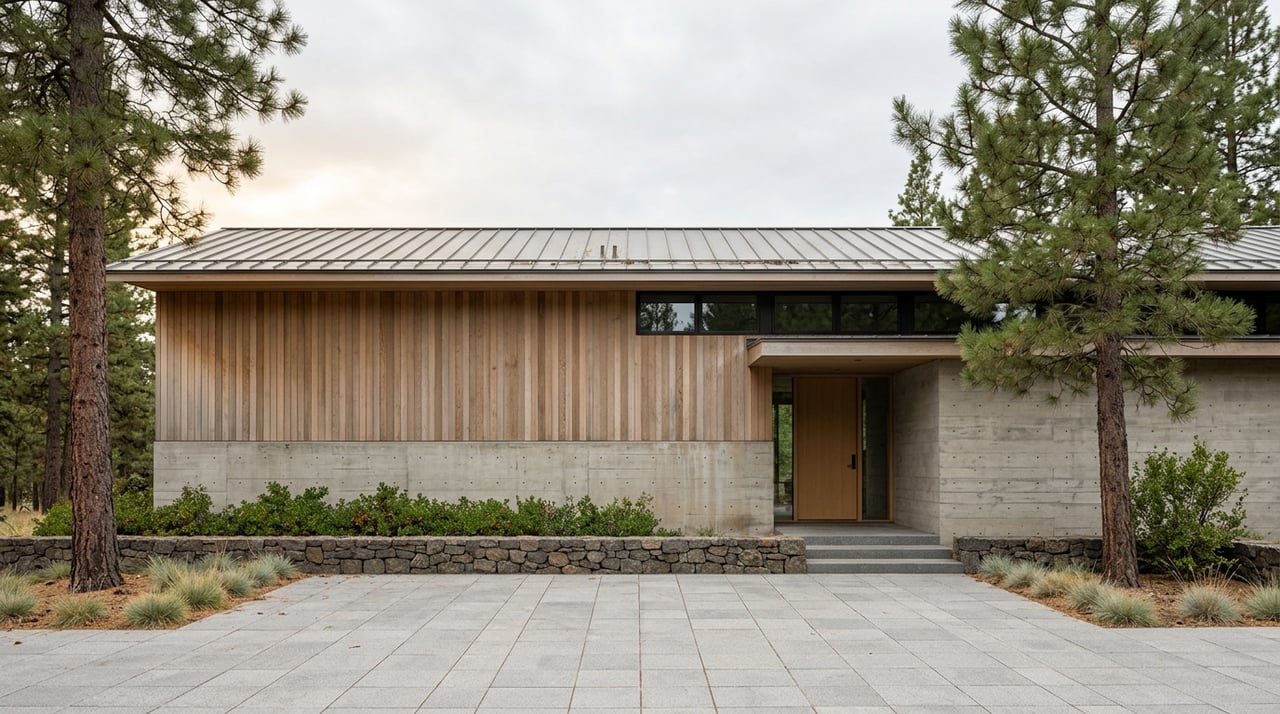
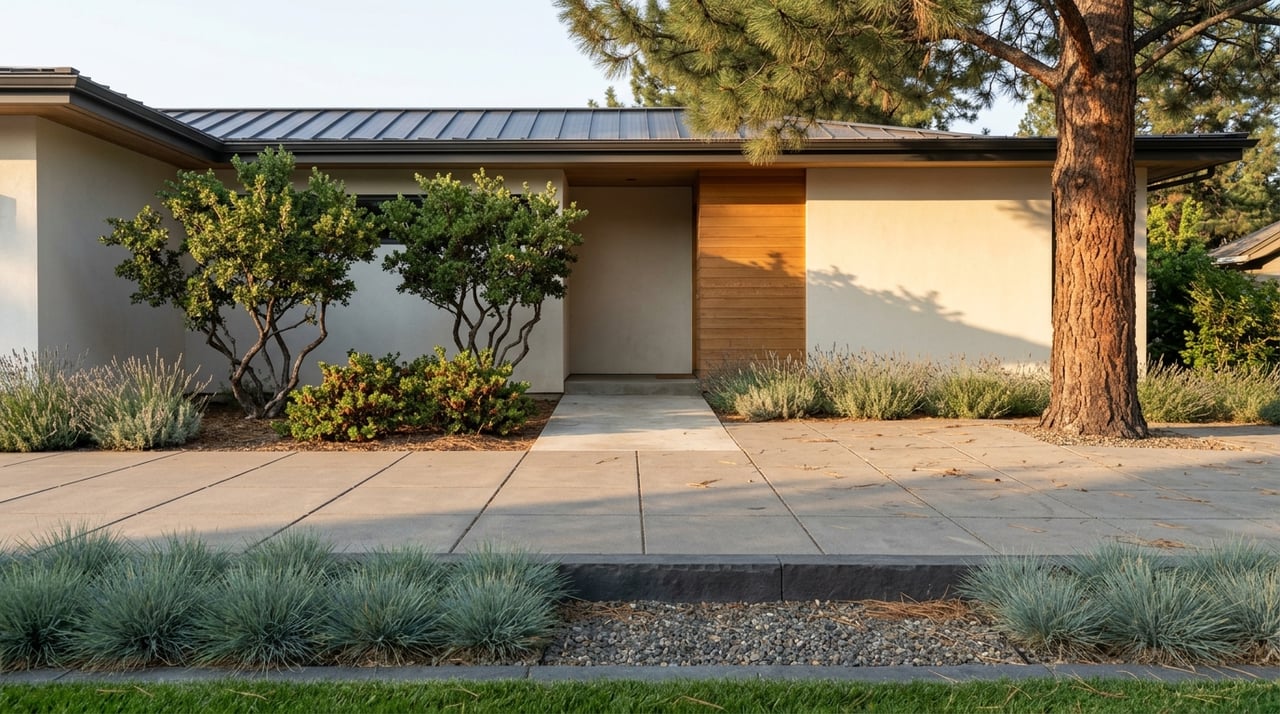
This structure helps create consistency without making the neighborhood feel uniform. Official materials describe a broad style palette that includes mid-century modern, Craftsman, American farmhouse, Tudor revival, Colonial Revival, mountain modern, woodland, high plains territorial, and American Foursquare.
The result is a streetscape where no two homes are meant to look exactly alike. Some current townhome collections also draw from Scandinavian architecture and Pacific Northwest minimalism, which adds another layer to the overall design mix.
Sustainability And Firewise Planning
Discovery West states that homes are built to Earth Advantage standards. Some product types are also described as solar-capable or solar-ready, which may appeal to buyers who are thinking about efficiency and long-term use.
The neighborhood also says it received Firewise Community designation in 2024. Design guidelines emphasize ignition-resistant materials and roof requirements, which reflect the practical realities of building in Central Oregon.
Parks, Open Space, And Trails
Open space is a major part of the Discovery West story. Depending on the source and how the land is counted, official materials describe roughly 35 to 40 acres of parks and open space connected to the project.
That matters if you want a neighborhood that does not feel wall-to-wall housing. The plan includes open areas, trail connections, and parks that help break up the built environment and create more visual breathing room.
Discovery Park And Nearby Recreation
Discovery Park is the anchor recreational amenity tied to the broader area. Bend Park and Recreation District describes it as a 40-acre community park in NorthWest Crossing with a 3-acre lake, developed parkland, open space, a natural play area, water play feature, walking trails, a fenced off-leash dog park, picnic areas, restrooms, and a community garden.
A common point of confusion is whether Discovery Park is inside Discovery West. The clearest answer is that the park is primarily identified as a NorthWest Crossing park, while Discovery West materials note that it extends into the neighborhood.
Outback Trail Connections
The Outback Trail is another important feature for buyers who value access and connectivity. Bend Park and Recreation District says it is a completely off-road trail linking Discovery Park and Shevlin Park, passing through 30 acres of undeveloped land west of Discovery Park.
For many buyers, this is one of the strongest lifestyle advantages in the area. It supports walking, running, and biking while connecting you to a broader west-side outdoor network without relying on busy roads.
Discovery Corner And Daily Convenience
Discovery West is not only residential. The neighborhood identifies Discovery Corner as its central hub, giving the community a mixed-use element that adds convenience and activity close to home.
Official materials describe Discovery Corner plaza as an 11,500-square-foot HOA-managed gathering space that opened to the public in October 2024. The surrounding live-work townhome area includes ground-floor storefronts, with current tenants such as Sparrow Mercado, Put a Cork In It, Bluebird Skin Therapy and Aesthetics, Harper House Design, Greg Welch Construction, and Harcourts The Garner Group.
This mixed-use center can be especially appealing if you want a neighborhood with a built-in gathering place. It also reinforces one of Discovery West’s practical advantages, which is its proximity to NorthWest Crossing dining, shopping, and other daily conveniences.
What The Streetscape Feels Like
Street-level experience matters more than many buyers expect. In Discovery West, the design guidelines point toward a pedestrian-friendly environment with front porches, four-sided architecture, rear-loaded garage concepts in some areas, and greenways that soften the look and feel of the neighborhood.
The mews are a good example of that approach. Official materials say mews homes face a pedestrian greenway, place garage parking behind the homes, and use small private green spaces to create a more intimate setting.
Public art also plays a role in shaping the neighborhood identity. Current materials highlight a mural under the Skyline Ranch Road bridge, a labyrinth installation along the Outback Trail added in April 2025, and art features at Discovery Corner plaza.
What Buyers Should Keep In Mind
Discovery West offers a lot, but it is important to view it with clear expectations. This is a newer, design-controlled neighborhood with ongoing build-out, HOA oversight, and amenities opening in phases.
That means you may be buying into a neighborhood that is still evolving. Bend Park and Recreation District notes that new park areas open as residential construction progresses, so the community experience today may differ from what it looks like at full build-out.
Practical Questions To Ask
If you are seriously considering Discovery West, focus on practical details during your home search:
- Which phase of the neighborhood is the property in?
- What nearby construction is still planned?
- How do HOA responsibilities affect common areas and architectural review?
- How close is the home to trails, open space, or Discovery Corner?
- Does the specific home type match how you want to live now and later?
These questions can help you move beyond surface appeal and evaluate fit more strategically.
Who Discovery West May Suit Best
Discovery West may appeal to you if you want a west-side Bend neighborhood with modern planning, a curated architectural identity, and a stronger connection to trails, parks, and mixed-use amenities. It can also be a compelling option if you value newer construction and a neighborhood vision that prioritizes design standards and pedestrian experience.
At the same time, it may be best to approach the area with a long view. Because the neighborhood is still building out, your buying decision should consider not only the home you see today, but also the broader community plan taking shape around it.
If you want help evaluating Discovery West in the context of your goals, timeline, and budget, Silvia Giffin-Knight offers a discreet, strategy-first approach with clear guidance at every step.
FAQs
Is Discovery West in Bend still under construction?
- Yes. Discovery West is still building out, and amenities and open space are opening in phases as residential construction progresses.
What types of homes are in Discovery West in Bend?
- Discovery West includes single-family homes, cottages, townhomes, mews, live-work townhomes, and apartments, with a mix of detached, attached, and multifamily housing.
What makes Discovery West different from a typical Bend subdivision?
- Discovery West stands out for its design guidelines, Architectural Review Committee oversight, Earth Advantage standards, Firewise measures, varied housing types, and mixed-use central hub.
Is Discovery Park actually inside Discovery West?
- Mostly no. Bend Park and Recreation District identifies Discovery Park as a NorthWest Crossing park, while Discovery West materials say the park extends into the neighborhood.
Does Discovery West have trail access?
- Yes. The neighborhood connects to trails and open space, including the Outback Trail, which links Discovery Park and Shevlin Park through an off-road route.
Does Discovery West have an HOA?
- Yes. The HOA handles common-area maintenance and architectural review within the neighborhood.